

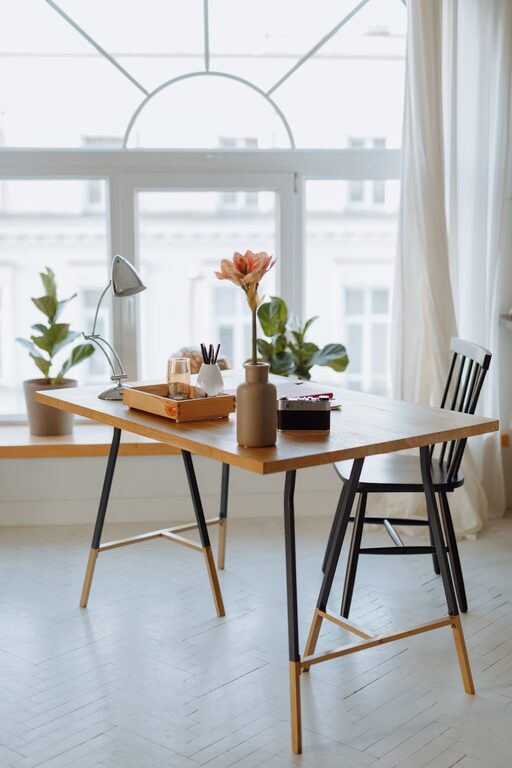
Creating a relaxing home workspace is essential for maintaining productivity and well-being, especially as more people work remotely. A thoughtfully designed workspace can reduce stress, enhance focus, and make your workday more enjoyable. Below are essential tips to help you create a calm and comfortable home office tailored to your needs.
Choose the Right Location
Selecting the right spot in your home sets the foundation for your workspace. Consider a quiet area with minimal distractions, good natural light, and enough room for your office essentials.
– Natural light: Position your desk near a window if possible. Natural light boosts mood and energy levels. Use sheer curtains to soften strong sunlight.
– Quiet space: Avoid high-traffic zones like the living room or kitchen, where noise and activity may interrupt your focus.
– Adequate space: Ensure you have enough room for your desk, chair, and any equipment like printers, monitors, and filing cabinets.
Invest in Comfortable and Functional Furniture
Comfort is key to a relaxing workspace. Choose furniture that supports your posture and work habits.
– Ergonomic chair: Select a chair that offers lumbar support and adjustability. This helps prevent back pain during long work sessions.
– Adjustable desk: Consider a desk that can change height, so you can alternate between sitting and standing.
– Storage solutions: Use shelves, drawers, and organizers to keep your workspace tidy and items within reach.
Use Calming Colors and Decor
The colors and decor of your workspace affect your mood and concentration levels.
– Soothing colors: Soft blues, greens, and neutrals tend to create a peaceful environment. Avoid overly bright or harsh colors that can cause eye strain.
– Personal touches: Add a few personal items like photos, art prints, or inspiring quotes to make the space feel welcoming.
– Plants: Indoor plants can improve air quality and add a touch of nature, which promotes relaxation.
Optimize Lighting
Proper lighting reduces eye strain and helps maintain alertness throughout the day.
– Layered lighting: Combine natural light with ambient, task, and accent lighting. For example, use a desk lamp to focus light on your work area.
– Adjustable brightness: Opt for lights with dimming options to adjust brightness based on the time of day.
– Avoid glare: Position your computer screen to minimize glare from windows or overhead lights.
Minimize Clutter and Keep Organized
A clutter-free desk reduces distractions and helps you feel calm.
– Daily tidying: Spend a few minutes each day organizing your desk and putting away loose papers.
– Cable management: Use clips, sleeves, or under-desk trays to hide and manage cables.
– Digital organization: Keep your computer desktop and files in order to minimize stress when searching for documents.
Incorporate Relaxation Elements
Adding stress-relief elements can make your workspace more inviting.
– Aromatherapy: Consider a small diffuser with calming scents like lavender or eucalyptus.
– Comfort items: Use a soft cushion, cozy blanket, or supportive footrest.
– Break zone: If space allows, create a small area nearby for short breaks with a comfortable chair or meditation cushion.
Establish Boundaries and Routine
Creating a relaxing workspace also involves habits and boundaries that separate work from personal life.
– Set work hours: Define clear start and finish times to avoid overworking.
– Limit distractions: Inform family or housemates about your work schedule to minimize interruptions.
– Digital detox: Take regular breaks away from screens to rest your eyes and refresh your mind.
Use Technology Wisely
Technology can enhance your workspace when used mindfully.
– Noise-cancelling headphones: Perfect for blocking out background noise and improving concentration.
– Quality equipment: Invest in a reliable computer, keyboard, and mouse that feel comfortable to use.
– Apps and tools: Use productivity apps for task management and reminders to stay organized and on track.
Personalize Based on Your Needs
Every person works differently. Tailor your workspace to fit your personal preferences and work style.
– Flexibility: Arrange your desk and tools to support tasks, whether you write, design, or attend video calls.
– Comfort levels: Adjust lighting, temperature, and seating to maximize comfort.
– Inspiration sources: Surround yourself with items that motivate and uplift you.
—
Creating a relaxing home workspace requires attention to comfort, organization, and ambiance. By implementing these tips, you can build a space that supports your focus, reduces stress, and makes working from home a more pleasant experience. Remember, a well-designed workspace is an investment in your productivity and well-being.